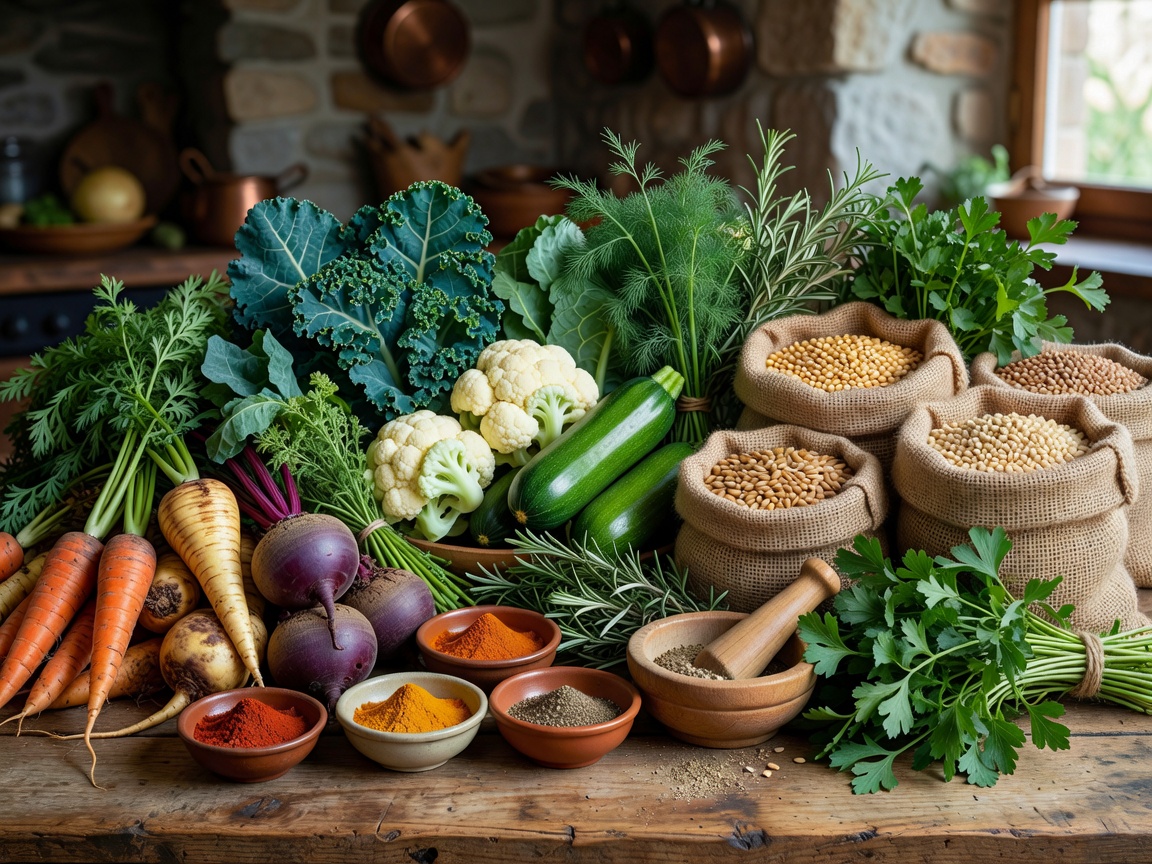
A regional cuisine workshop may focus on ingredients, a seasonal method, a family of dishes or the relationship between landscape and preservation. The strongest formats make room for context and technique. They also acknowledge that traditions cross modern borders and change over time.
Italian and French traditions
Italian regional cooking can move from filled pasta and egg pasta in the north to legumes, vegetables, wheat preparations and seafood further south. Alpine, Adriatic and island traditions add further variation. A workshop might compare dough texture, sauces or local preservation rather than presenting one national menu.
French culinary traditions include broad regional differences in breads, dairy, charcuterie, seafood, vegetables and pastry. Classical methods sit alongside household and market cooking. Ask whether a course teaches a technique, a historical style or a contemporary interpretation; those are different learning objectives.
Iberian, Greek and Balkan foodways
Iberian cuisines include distinct Spanish and Portuguese practices, with strong variation between coasts, interiors and islands. Olive oil, legumes, rice, seafood, cured products and peppers appear in many forms. Greek and Balkan food traditions overlap through geography and historical exchange, while local grains, dairy, herbs, preserved vegetables and slow-cooked dishes create important differences.
Names and origins can be contested. A careful workshop identifies the source and avoids claiming exclusive ownership for a dish whose history crosses communities.
Central European, Alpine and Nordic cooking
Central European traditions often connect grains, cabbage, mushrooms, dairy, freshwater fish, pork and preserved foods to colder seasons. Alpine cuisines reflect altitude, dairy production, mountain grains and practical storage. Nordic food traditions include fish, rye, oats, berries, roots, fermentation and preservation, with contemporary teaching often adapting older methods to modern kitchens.
Ingredients, season and adaptation
Seasonality affects what learners can handle fresh, preserved or substituted. Ask whether the course explains sourcing and alternatives, especially when a regional ingredient is unavailable elsewhere. Modern adaptation is not automatically a loss of authenticity; it becomes useful when the instructor identifies what changed and why.
Good for
Regional workshops suit learners who want culinary context with practical work, cooks exploring a heritage or anyone comparing methods across borders. They are less suitable if you need a narrow professional assessment or high-volume repetition.
What to know
- Which region, period and food tradition is actually covered?
- Are ingredients seasonal, substituted or preserved?
- How much time is practical preparation?
- Does the teaching address contested origins responsibly?
Pair this guide with recreational course formats or the course planning guide. For technique foundations, see culinary skills.
Shape a regional brief.
Tell us the cuisine, season and level you want to investigate.
Contact the guide